




How Often Should You Clean Everyday Jewelry?
Everyday jewelry is designed to be worn regularly—but frequent wear also means frequent exposure to sweat, dust, skincare products, and environmental elements. Over time, these factors can dull shine, affect comfort, and reduce durability if jewelry isn’t cleaned properly.
For Australians—where warm weather, humidity, and outdoor lifestyles are common—routine cleaning becomes even more important. Understanding how often you should clean everyday jewelry helps maintain both appearance and longevity without causing unnecessary wear from over-cleaning.
This guide explains ideal cleaning frequencies, care routines, and climate-specific considerations for maintaining everyday jewelry.

Why Cleaning Frequency Matters
Cleaning jewelry too rarely leads to buildup and tarnish, while cleaning too often may cause unnecessary friction or plating wear.
Balanced cleaning ensures:
-
Long-lasting shine
-
Skin hygiene
-
Finish preservation
-
Stone clarity
Explore everyday styling staples across curated Jewelry collections designed for repeat wear.
Factors That Affect Cleaning Frequency
Not all jewelry requires the same cleaning schedule. Frequency depends on:
-
Wear duration
-
Climate exposure
-
Skin chemistry
-
Activity levels
-
Material composition
Understanding these factors helps create a personalised care routine.
Daily-Wear Jewelry Cleaning Schedule
Jewelry worn every day requires regular maintenance.
Recommended Cleaning Frequency
-
Light wipe: After each wear
-
Gentle cleaning: Every 1–2 weeks
-
Deep cleaning: Monthly
This schedule maintains shine without overhandling.
Cleaning Based on Jewelry Type
Different jewelry categories accumulate residue at different rates.
Earrings
Earrings collect sweat, skincare residue, and hair product buildup.
Clean:
-
Studs: Every 1–2 weeks
-
Huggies: Every 2 weeks
-
Hoops: Every 2–3 weeks
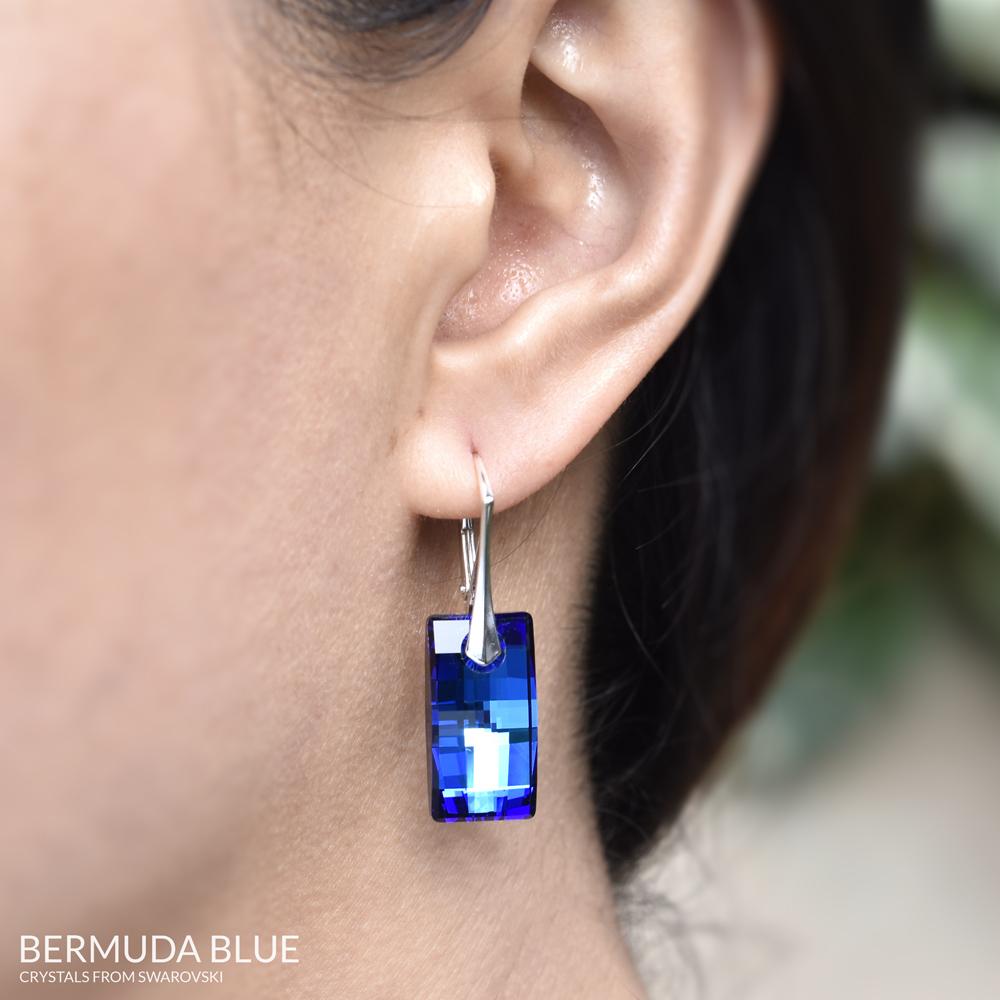
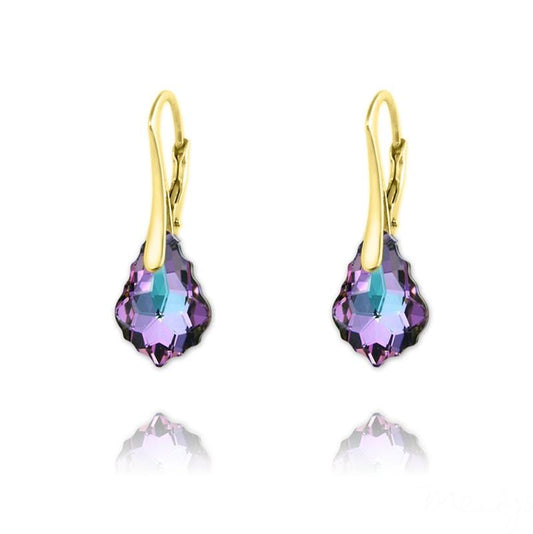
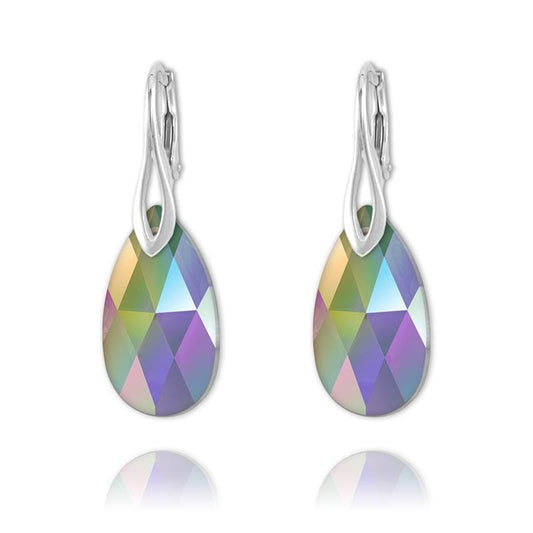
Explore breathable daily styles in Stud earrings, huggie earrings, and Hoop earrings collections suited for regular wear.
Necklaces
Necklaces absorb oils from the neck and chest area.
Clean:
-
Fine chains: Every 2 weeks
-
Pendants: Monthly
-
Chokers: Weekly (due to skin contact)
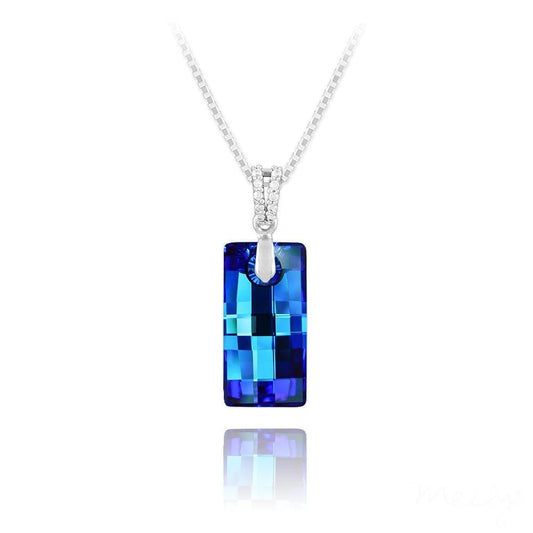
Browse layering staples in silver necklace collections ideal for everyday wear.
Symbolic pendants like a Cross Necklace should be cleaned gently to preserve detailing.
Rings
Rings collect residue faster due to constant hand use.
Clean:
-
Slim bands: Weekly
-
Stacked rings: Weekly
-
Stone rings: Every 2 weeks
Explore daily hand styling in silver rings collections suited for repeat wear.
Stone pieces like a moissanite ring may require slightly more frequent cleaning to maintain brilliance.
Bracelets
Bracelets experience sweat exposure due to wrist movement.
Clean:
-
Chain bracelets: Every 2 weeks
-
Cuffs: Monthly
Browse everyday wristwear in Mens Bracelets collections suited for daily comfort.
Climate Considerations in Australia
Australia’s warm climate accelerates residue buildup.
Factors include:
-
Heat
-
Sweat
-
Humidity
-
Coastal salt exposure
Because of this, Australians may need to clean jewelry slightly more often than cooler-climate regions.
Post-Activity Cleaning Guidelines
Certain activities require immediate cleaning.
Clean jewelry after:
-
Gym workouts
-
Beach visits
-
Swimming
-
Long outdoor exposure
Sweat and salt can damage finishes if left untreated.
Signs Your Jewelry Needs Cleaning
Watch for visual and comfort indicators.
Common signs include:
-
Dull shine
-
Skin irritation
-
Residue buildup
-
Colour fading
If any of these appear, it’s time to clean your jewelry.
Quick Daily Cleaning Routine
A simple wipe after wear can extend time between deep cleans.
Steps:
-
Use soft microfiber cloth
-
Wipe sweat and oils
-
Store in dry box
Daily wiping prevents buildup.
Deep Cleaning Frequency
Deep cleaning involves soaking and brushing.
Recommended schedule:
-
Monthly for daily jewelry
-
Bi-monthly for occasional wear
Avoid over-soaking plated jewelry.
Over-Cleaning Risks
Cleaning too frequently may cause:
-
Plating wear
-
Surface scratches
-
Stone loosening
Gentle methods should always be used.
Cleaning Jewelry After Travel
Travel exposes jewelry to dust, sweat, and pollution.
Clean all pieces after returning home.
Store safely in a protective ring box to prevent tangling and scratches.
Storage Between Cleanings
Proper storage reduces cleaning frequency.
Best practices include:
-
Separate compartments
-
Dry environments
-
Anti-tarnish protection
Storage complements cleaning routines.
Jewelry That Needs More Frequent Cleaning
Certain pieces require extra care:
-
Close-fit earrings
-
Chokers
-
Stacked rings
-
Gym-worn jewelry
Skin contact increases residue buildup.
Jewelry That Needs Less Frequent Cleaning
Lower-contact pieces include:
-
Long necklaces
-
Occasion earrings
-
Decorative cuffs
These accumulate less residue.
Building a Maintenance Routine
An easy routine might look like:
-
Daily wipe
-
Weekly inspection
-
Bi-weekly cleaning
-
Monthly deep clean
Consistency protects jewelry longevity.
Common Cleaning Frequency Mistakes
Avoid:
-
Ignoring sweat exposure
-
Cleaning only when visibly dirty
-
Over-soaking jewelry
-
Using harsh chemicals too often
Balanced care ensures durability.
Professional Cleaning vs Home Cleaning
Home cleaning works for routine maintenance.
Professional cleaning may be needed for:
-
Deep tarnish
-
Loose stones
-
Vintage pieces
Routine home care reduces professional servicing.
Final Thoughts
Knowing how often to clean everyday jewelry ensures your pieces remain hygienic, polished, and comfortable to wear. By following a balanced cleaning schedule—combined with proper storage and climate awareness—you can extend jewelry lifespan significantly.
With simple routines like daily wiping, bi-weekly gentle cleaning, and monthly deep care, your jewelry will remain radiant and wearable—perfect for everyday Australian living.
Fashion Plaza