



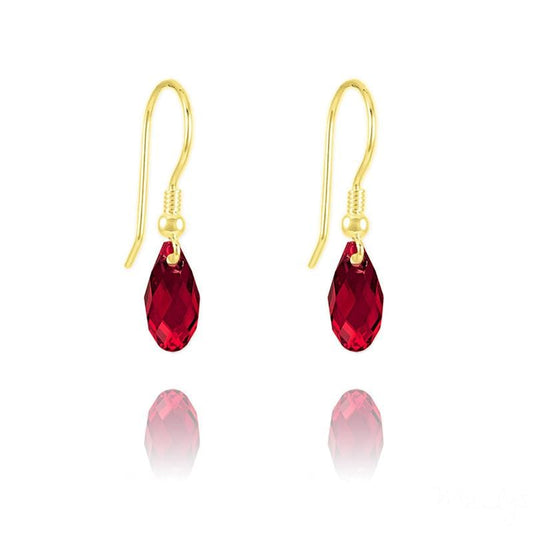

How to Clean Jewelry at Home Safely
Cleaning jewelry at home is one of the simplest yet most important ways to maintain its shine, comfort, and longevity. Everyday jewelry is exposed to sweat, dust, skincare products, and environmental elements that gradually dull its appearance. Regular cleaning restores brilliance while preventing buildup that can damage finishes over time.
For Australian lifestyles—where warm weather, outdoor activity, and coastal exposure are common—safe home cleaning becomes even more essential. This guide explains how to clean jewelry at home safely using gentle methods that protect both materials and craftsmanship.

Why Regular Jewelry Cleaning Matters
Over time, jewelry accumulates:
-
Body oils
-
Sweat residue
-
Dust particles
-
Skincare buildup
-
Environmental pollutants
Without cleaning, these elements can cause:
-
Dull shine
-
Discoloration
-
Skin irritation
-
Finish wear
Routine cleaning keeps your jewelry hygienic and visually appealing.
Explore everyday-wear pieces across curated Jewelry collections designed for repeat styling.
Before You Start Cleaning
Before cleaning any jewelry piece, take a few precautions.
Identify the Material
Different materials require different cleaning approaches.
Common everyday jewelry materials include:
-
Silver-tone metals
-
Alloy blends
-
Stainless steel
-
Plated finishes
Understanding composition helps prevent accidental damage.
For example, delicate chains like those in silver necklace collections benefit from gentle cleaning rather than aggressive scrubbing.
Inspect for Damage
Before cleaning, check for:
-
Loose stones
-
Weak clasps
-
Bent prongs
Cleaning damaged jewelry may worsen the issue.
The Safest Universal Cleaning Method
This method works for most everyday jewelry types.
What You’ll Need
-
Lukewarm water
-
Mild dish soap
-
Soft cloth
-
Soft toothbrush
-
Bowl
Step-by-Step Process
-
Fill a bowl with lukewarm water
-
Add a few drops of mild soap
-
Soak jewelry for 5–10 minutes
-
Gently brush crevices
-
Rinse with clean water
-
Pat dry with soft cloth
-
Air dry fully before storing
This gentle method removes buildup without harming finishes.
Cleaning Earrings at Home
Earrings require regular cleaning due to direct skin contact.
Stud & Huggie Cleaning
Studs and huggies collect sweat and skincare residue.
Clean by:
-
Soaking briefly
-
Gently brushing backs
-
Drying thoroughly
Browse daily-wear ear styles in Stud earrings and huggie earrings collections suited for frequent wear.
Hoop Earring Cleaning
Hoops should be wiped after each wear to maintain shine.
For deeper cleaning:
-
Soak briefly
-
Brush clasps
-
Dry completely
Explore breathable designs in Hoop earrings collections.
Cleaning Necklaces Safely
Necklaces require extra care to avoid tangling and plating wear.
Fine Chain Cleaning
Fine chains are delicate and should be:
-
Soaked briefly
-
Brushed gently
-
Dried flat
Explore layering staples in silver necklace collections that benefit from routine care.
Pendant Cleaning
Pendants often feature detailed engravings.
Clean by:
-
Using soft cloth
-
Avoiding harsh scrubbing
Symbolic pieces like a Cross Necklace should be cleaned delicately to preserve detailing.
Choker Cleaning
Chokers sit close to the skin and absorb sweat quickly.
Clean fabric or metal chokers gently.
Browse layered styles in chokers collections suited for daily wear.
Cleaning Rings at Home
Rings experience constant friction and residue buildup.
Basic Ring Cleaning
Use the universal cleaning method with extra attention to inner bands.
Explore everyday ring styling in silver rings collections suited for repeat wear.
Stone Ring Cleaning
Stone rings require careful handling.
A moissanite ring can be cleaned safely using mild soap and a soft brush to restore sparkle.
Avoid ultrasonic cleaners unless professionally advised.
Cleaning Bracelets
Bracelets accumulate sweat due to wrist movement.
Chain Bracelet Cleaning
Clean links gently using a soft brush.
Explore wrist styling staples in Mens Bracelets collections designed for everyday comfort.
Avoid Tight Bracelet Cleaning
Tight cuffs should not be soaked extensively to prevent finish damage.
What Not to Use When Cleaning Jewelry
Avoid harsh cleaning agents that may damage finishes.
Do NOT use:
-
Toothpaste
-
Baking soda (abrasive)
-
Bleach
-
Alcohol
-
Ammonia
These substances can strip plating or scratch metals.
Cleaning Jewelry Affected by Sweat
Sweat exposure is common in Australia’s warm climate.
After heavy wear:
-
Wipe jewelry with soft cloth
-
Allow to air dry
-
Store in dry container
Routine wiping prevents tarnish buildup.
Coastal & Beach Jewelry Cleaning
Salt exposure requires additional care.
After beach wear:
-
Rinse jewelry in fresh water
-
Dry immediately
-
Store in dry container
Salt residue accelerates dullness if not removed.
Drying Jewelry Properly
Improper drying can cause water spots or tarnish.
Best practices include:
-
Pat drying with microfiber cloth
-
Air drying completely
-
Avoid towel rubbing
Never store damp jewelry.
Jewelry Storage After Cleaning
Clean jewelry should be stored properly to maintain shine.
Best Storage Practices
-
Use soft-lined boxes
-
Store pieces separately
-
Avoid humid areas
A protective ring box keeps jewelry organised and safe.
Cleaning Frequency Guide
How often you clean jewelry depends on wear frequency.
Daily Wear
Clean every 1–2 weeks.
Occasional Wear
Clean monthly.
Post-Beach or Gym Wear
Clean immediately.
Routine care prevents buildup.
Signs Your Jewelry Needs Cleaning
Watch for:
-
Dull shine
-
Skin irritation
-
Visible residue
-
Colour fading
These signs indicate it’s time to clean.
Building a Low-Maintenance Jewelry Collection
If you prefer minimal upkeep, choose jewelry that’s easier to clean.
Recommended pieces include:
-
Stud earrings
-
Fine chains
-
Slim rings
-
Lightweight bracelets
These designs require less maintenance.
Professional Cleaning vs Home Cleaning
Home cleaning works well for everyday jewelry.
Professional cleaning may be needed for:
-
Deep tarnish
-
Loose stones
-
Vintage pieces
Routine home care reduces professional service needs.
Common Jewelry Cleaning Mistakes
Avoid:
-
Using hot water
-
Scrubbing aggressively
-
Soaking too long
-
Mixing harsh chemicals
Gentle cleaning always works best.
Final Thoughts
Cleaning jewelry at home safely is simple when done correctly. With gentle soap, soft tools, and proper drying techniques, you can maintain shine, comfort, and durability without risking damage.
By building regular cleaning habits and avoiding harsh chemicals, your everyday jewelry will remain beautiful, hygienic, and ready to wear—perfect for Australia’s active, climate-driven lifestyle.
Fashion Plaza